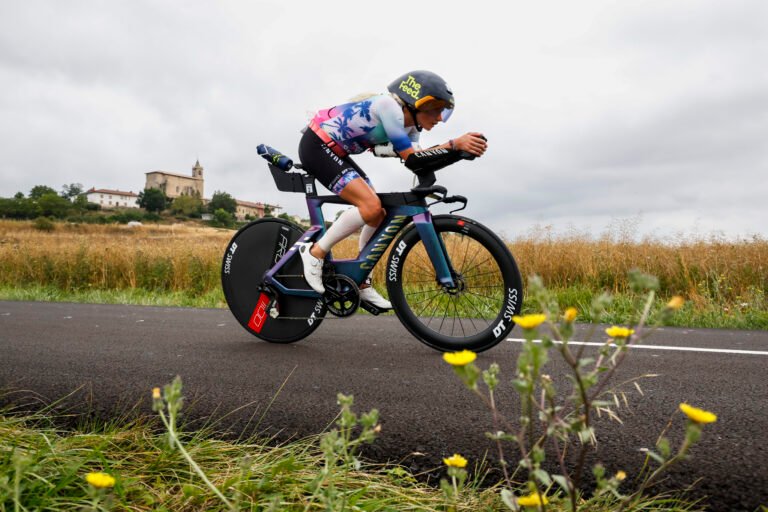
A well-maintained bike is a fast bike. But more than that, regular maintenance protects your investment, extends component life, and ensures every ride is safe and predictable. Whether you ride three times a week or train daily, this checklist gives you a clear, time-based schedule for keeping your bicycle in peak condition — all from your own garage.
This guide is organized by frequency: what to check before every ride, weekly, monthly, and seasonally. Each section includes estimated time so you can plan accordingly. We have also included a free downloadable PDF checklist you can print and hang in your workshop.Free Downloadable ChecklistPrint this one-page maintenance schedule and keep it in your workshop.
Download PDF Checklist
Essential Tools for Home Bike Maintenance
Before diving into the checklist, make sure your home workshop covers the basics. You do not need a professional shop setup — just a few key tools that handle 90% of routine maintenance tasks: Multi-tool with hex keys and Torx bits — handles nearly every bolt adjustment on a modern bike. Look for one that includes 2.5mm, 3mm, 4mm, 5mm, 6mm hex and T25 Torx. Floor pump with pressure gauge — accurate tire pressure directly impacts rolling resistance and comfort. A gauge is essential, not optional. Chain checker tool — the single most important wear indicator. A stretched chain destroys cassettes and chainrings, turning a €20 replacement into a €200 problem. Torque wrench — critical for carbon components. Over-tightening cracks carbon steerer tubes, seatposts, and handlebars. A basic 4–6 Nm wrench is sufficient for most road bike applications. Cleaning supplies — brushes (stiff for cassette, soft for frame), biodegradable degreaser, clean rags, and a bucket. Avoid high-pressure water near bearings. Chain lubricant or wax — the single most impactful maintenance product for drivetrain performance. Wax-based lubricants run cleaner and reduce friction compared to traditional oil.⚡ Performance tip: A bike repair stand is the best investment you can make for home maintenance. Working at a comfortable height with the wheels free to spin transforms every task from frustrating to straightforward.
Before Every Ride 2 minutes
These checks take less time than filling a water bottle and catch the problems most likely to ruin a ride or cause an accident. Tire pressure. Check with your floor pump gauge. Road tires lose 5–15 PSI per week naturally. Running underinflated tires increases rolling resistance, reduces handling precision, and raises puncture risk. Always inflate to the range printed on your tire sidewall. Brakes. Squeeze both levers firmly. Each should engage smoothly, stop the wheel completely, and not touch the handlebar. Listen for unusual squealing — it often indicates contamination or worn pads. Chain. Run the chain backward by hand and look for stiff links or visible dryness. A dry chain is noisy, slow, and wears out fast. If in doubt, apply a light coat of lubricant or wax. Quick releases and thru-axles. Confirm both wheels are securely fastened. Give each wheel a firm side-to-side shake to check for play. Shifting. Spin the pedals and click through a few gears front and rear. Hesitant or noisy shifting usually means cable tension needs a quarter-turn adjustment at the barrel adjuster.Weekly Maintenance 15 minutes
If you ride 3–5 times per week, these tasks keep accumulated dirt and wear from compounding into bigger problems. Clean and lubricate the chain. Wipe the chain with a clean rag while pedaling backward to remove surface grime. Then apply your lubricant: one drop per link for oil-based products, or follow the application instructions for wax. Always wipe off excess — more lubricant is not better. Excess attracts dirt and increases friction. Wax reapplication intervals. If you use a drip wax such as CyclingCeramic Road Wax or Off-Road Wax, plan to reapply approximately every 300 km in dry conditions — the same interval applies to both road and off-road formulas. Hot wax treatments last considerably longer: around 1,000 km in wet or muddy conditions, and significantly more in dry weather. A reliable sign that reapplication is due is an increase in chain noise — a correctly waxed chain runs nearly silently. Wipe down the frame. A damp cloth removes road grime, sweat, and salt that cause corrosion over time. Pay attention to areas around the bottom bracket shell, headtube, and seatpost clamp where water collects. Inspect tires. Look for embedded glass, thorns, or small cuts in the tread. Removing debris now prevents flats on your next ride. Check brake pads. Rim brake pads should show visible wear grooves. Disc brake pads need at least 1mm of material remaining. Replace before they reach the metal backing. Verify cockpit bolts. Stem, handlebar clamp, and seatpost bolts can loosen gradually through vibration. Confirm they are snug — use a torque wrench on carbon components.⚡ Performance tip: Friction Facts testing shows approximately 3W of savings from a properly waxed chain versus a standard oil-lubricated chain. Weekly chain care is the single easiest performance upgrade you can do at home.
Monthly Service 45 minutes
Monthly maintenance catches wear before it becomes damage. These tasks are especially important if you ride in wet, dusty, or salty conditions. Deep clean the drivetrain. Remove the rear wheel. Scrub the cassette with a stiff brush and degreaser. Clean the chainrings, front and rear derailleur jockey wheels, and the chain itself. Let everything dry completely before re-lubricating. A clean drivetrain shifts better, sounds quieter, and lasts significantly longer. Check chain wear. Insert your chain checker tool. For 11-speed and 12-speed drivetrains, replace the chain at 0.5% elongation. For 10-speed and below, the threshold is 0.75%. Riding a worn chain past these limits accelerates cassette and chainring wear — turning a €20 chain replacement into a €150+ cassette replacement. Inspect cables and housing. Look for fraying at cable ends, cracked or kinked outer housing, and corroded inner cables. Sticky shifting or brakes that feel sluggish are classic signs of cable deterioration. Electronic groupset riders should check battery levels and update firmware. Check wheel trueness. Lift each wheel and spin it slowly, watching the gap between rim and brake pad (rim brakes) or frame (disc). A wobble greater than 1–2mm needs truing. Most minor adjustments can be done with a spoke wrench — significant wobbles warrant a visit to a professional. Clean brake rotors or rim surfaces. Disc rotors should be cleaned with isopropyl alcohol. Never use oil-based products near disc brakes — contamination causes permanent squealing and reduced stopping power. Check bearing play. Grab the top of each wheel and rock it side to side — any clicking or looseness indicates hub bearing adjustment needed. Do the same at the headset by holding the front brake and rocking the bike forward and backward. Finally, check the bottom bracket by grasping each crank arm and feeling for lateral play. Smooth, play-free bearings transfer power efficiently and last far longer.⚡ Performance tip: Bearing friction is one of the largest efficiency losses in a bicycle drivetrain. A stock steel bearing setup generates approximately 16.5W of friction versus 6.8W with premium ceramic components — a difference of nearly 10W. For maintenance protocols specific to ceramic bearings, see the CyclingCeramic CERA CARE guide.
Seasonal Overhaul 2 hours (twice per year)
A full overhaul twice per year — or every 5,000 km — keeps your bike performing like the day you bought it. Schedule this at the start of your riding season and again before winter or a major event. Full strip and deep clean. Remove wheels, seatpost, and ideally the bottom bracket and headset. Clean every surface, including the frame interior where possible. Inspect the frame and fork carefully for cracks, dents, or paint damage that could indicate structural issues — particularly around the head tube, bottom bracket shell, and dropout areas. Service or replace bearings. Headset, bottom bracket, wheel hubs, and derailleur pulleys all benefit from periodic service. Remove old grease, inspect for pitting or roughness, and repack with fresh lubricant. If bearings feel gritty or have visible damage, replace them. High-quality ceramic-specific grease formulated for low friction extends service intervals and maintains the efficiency gains of premium bearings. Replace worn chain and cassette. If your chain has reached the wear limit, replace it along with the cassette if the new chain skips under load. Chainrings typically last 2–3 chain replacements before needing replacement themselves. Regrease all threaded connections. Seatpost, stem bolts, pedal threads, bottom bracket threads (BSA), and thru-axle threads all benefit from a thin layer of grease. This prevents seizing from corrosion and ensures accurate torque readings. Bleed hydraulic brakes. Even if the lever feel seems fine, brake fluid absorbs moisture over time, reducing performance and boiling point. Annual bleeding maintains consistent stopping power. This is one task where many riders prefer a professional bike shop, and that is perfectly reasonable. Replace bar tape and cables. Fresh bar tape improves grip and comfort. New cables and housing restore precise shifting and braking feel. These relatively inexpensive items make the biggest subjective difference in how your bike feels.Complete Maintenance Schedule at a Glance
| Frequency | Task | Time |
|---|---|---|
| Every Ride | Tire pressure | 2 min |
| Brake function | ||
| Chain condition | ||
| Quick releases / thru-axles | ||
| Shifting test | ||
| Weekly | Chain clean + lube | 15 min |
| Frame wipe-down | ||
| Tire debris inspection | ||
| Brake pad wear check | ||
| Cockpit bolt tightness | ||
| Monthly | Deep drivetrain clean | 45 min |
| Chain wear measurement | ||
| Cable / housing inspection | ||
| Wheel trueness | ||
| Brake rotor / rim cleaning | ||
| Bearing play check (hubs, headset, BB) | ||
| Seasonal | Full strip and deep clean | 2 hrs |
| Bearing service / replacement | ||
| Chain + cassette replacement (if needed) | ||
| Regrease all threads | ||
| Hydraulic brake bleed | ||
| Bar tape + cable replacement |
Download the ChecklistGet the printable one-page version of this maintenance schedule for your workshop wall.
Download Free PDF
Frequently Asked Questions
How often should I maintain my bike?
Follow a tiered schedule: quick checks before every ride (2 minutes), chain cleaning and lubrication weekly (15 minutes), deeper drivetrain and brake inspection monthly (45 minutes), and a full overhaul including bearing service twice per year or every 5,000 km. Riders in wet or dusty conditions should increase maintenance frequency.
What basic tools do I need for bike maintenance at home?
The essentials are: a multi-tool with hex keys and Torx bits, a floor pump with pressure gauge, tire levers, a chain checker tool, a torque wrench (4–6 Nm range for carbon), cleaning brushes, degreaser, and chain lubricant or wax. A bike repair stand is highly recommended for comfort and access.
How do I know when my bike chain needs replacing?
Use a chain checker tool: replace the chain when it measures 0.5% elongation for 11-speed and 12-speed drivetrains, or 0.75% for 10-speed and below. A worn chain accelerates cassette and chainring wear, making the replacement significantly more expensive if delayed.
Should I use wax or oil lubricant on my chain?
Wax-based lubricants run cleaner, attract less dirt, reduce friction, and extend chain life compared to traditional oil. Independent Friction Facts testing shows approximately 3W of savings with wax treatment versus standard oil lubrication. In practice, a drip wax application lasts around 300 km in dry conditions before reapplication is needed (road and off-road formulas are equivalent), while hot wax treatments last around 1,000 km in wet or muddy conditions — and significantly more in dry weather. Oil-based lubricants are easier to apply initially but require more frequent cleaning. For detailed product comparisons, see the CyclingCeramic Wax product family page.
How do I maintain ceramic bearings?
Ceramic bearings require less frequent maintenance than steel but still benefit from periodic care. Check for play or roughness every 3–6 months by spinning the relevant component by hand. When service is needed, clean with a mild solvent, let dry completely, and relube with a ceramic-specific grease or oil formulated for low friction. Avoid high-pressure water directly on bearing seals during washing.
Keep Your Bike Fast, Keep It Reliable
Bike maintenance does not need to be complicated or time-consuming. Two minutes before each ride and 15 minutes per week cover 90% of what your bike needs. The monthly and seasonal tasks catch the rest before small issues become expensive repairs. The performance angle matters too. A clean, properly lubricated drivetrain with well-maintained bearings delivers measurably more watts to the road than a neglected one. At every level of competition — from weekend group rides to the WorldTour — the fastest bikes are the best-maintained bikes. Download the checklist, pin it to your workshop wall, and make maintenance a habit. Your bike will reward you with thousands of smooth, trouble-free kilometers. And when you are ready to take drivetrain efficiency to the next level, explore the full range of CyclingCeramic optimization products designed to minimize friction across every bearing, pulley, and chain in your system.
Written by
Ilan
SEO Consultant — La Refonte
SEO consultant and content strategist responsible for CyclingCeramic's organic growth strategy. Every article is grounded in Friction Facts test data and real-world cycling expertise.