The reality changes the moment the chain leaves the lab. Add an hour of dust, sand and light water, and the gap stretches to 4 to 6 watts. Run both systems for a few hundred kilometres and the difference shows up on the chain wear chart, not just on the dyno. That is the context our own test data fits into, and it is where this comparison actually becomes useful for someone deciding whether to switch.
What Is Chain Wax and How Does Oil Lubrication Actually Work?
Every chain lubricant has one job, keep the metal-on-metal contact points inside the rollers properly separated. How it gets there, and what it leaves behind, is what separates wax from oil.
Oil lubrication relies on a liquid film that coats the outside of the chain and migrates, more or less well, into the rollers. Wet lubes stay on longer in rain but attract grit. Dry lubes pick up less dirt but evaporate faster. In both cases the film stays liquid, which means every particle that touches the chain sticks to it, grinds against the rollers, and accelerates wear.
Chain wax works differently. The chain is either immersed in molten paraffin-based wax (hot wax) or coated with a liquid carrier that evaporates and leaves a dry wax film (drip wax). Once the wax hardens, the chain is dry to the touch. Contaminants hit a solid surface and fall off rather than bonding to the rollers. Internal wear slows down because the wax inside the pin-bushing interface keeps that contact zone clean.
The practical consequence of this difference is less visible than a watt figure, but it is what most long-term wax users talk about. A waxed chain stays clean, runs quietly, and measures less elongation at the same mileage.
How They Differ: Solid Film vs Liquid Film
The mechanical gap between wax and oil can be reduced to three variables that actually move the needle in real riding.
| Criterion | Oil Lubrication | Chain Wax |
|---|---|---|
| Film type | Liquid, stays wet | Solid, dry to the touch |
| Contaminant behaviour | Traps dust, sand, salt | Repels dry contaminants |
| Chain wear (clean conditions) | Baseline | Slower elongation |
| Drivetrain cleanliness | Black residue on chainrings, cassette, cages | Light grey dust, easy wipe |
| Initial setup effort | Apply and ride | Full degrease required first |
| Re-application frequency | Varies widely with lube and weather | Predictable ranges per format (see below) |
| Wet weather tolerance | Wet lubes shrug off rain | Hot wax holds up well, drip wax less so |
Oil is the easier starting point. Wax is the better system once it is installed. This is why most riders who make the switch do not go back, even though they are open about the up-front effort involved.
Lab Test Results: Wax vs Oil Measured in Watts
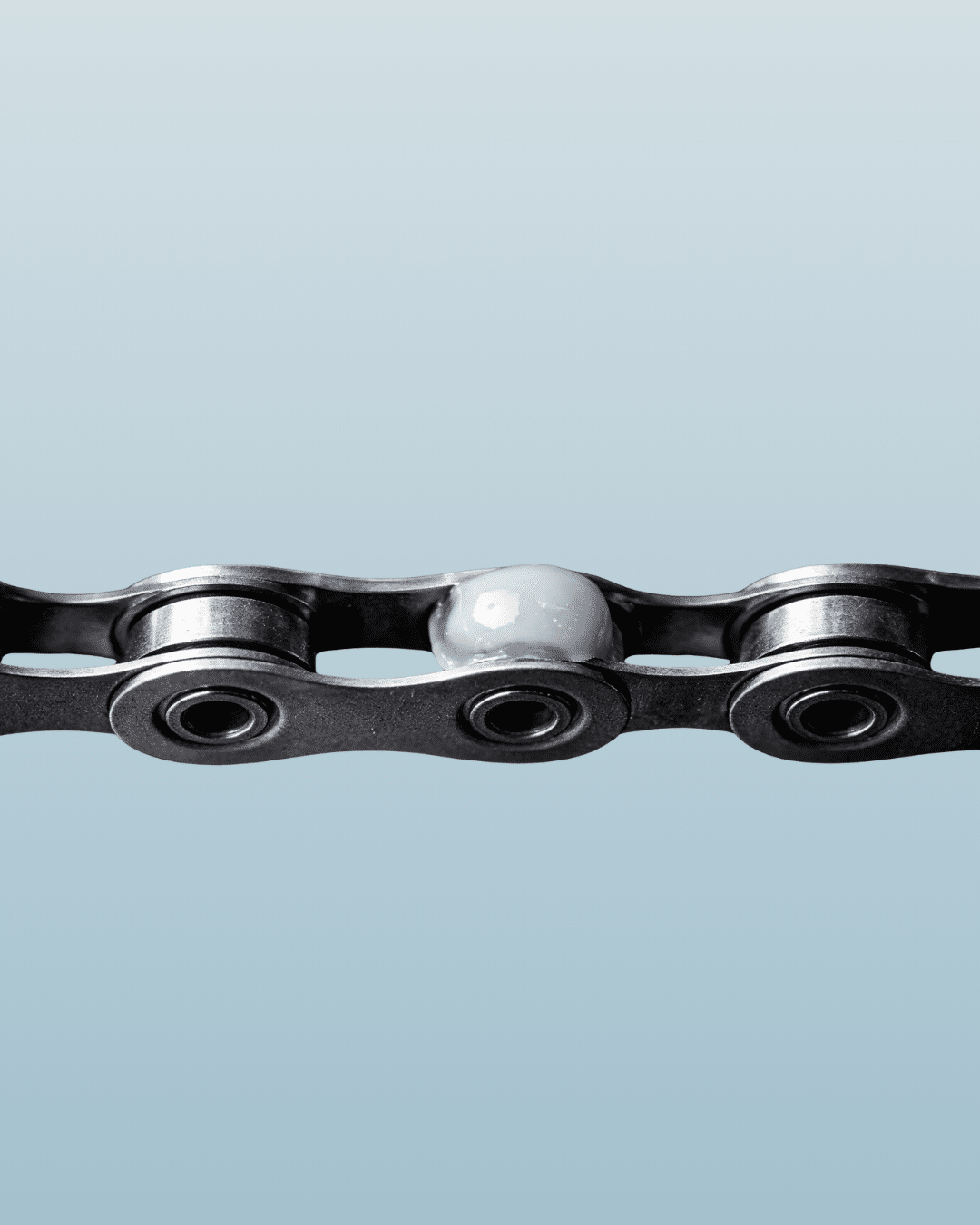
Laboratory results on wax versus oil come from two distinct sources in our data set, and they should not be confused.
The first is the body of independent testing associated with Friction Facts before it was acquired by CeramicSpeed in 2016. That testing measured dozens of lubricants in controlled conditions and consistently placed immersive hot wax among the lowest-friction options available, with drip waxes slightly behind and wet oils trailing once contamination entered the picture. It is the data set that put chain wax on the map as a performance topic, not just a maintenance one.
The second source is our own internal test at CyclingCeramic, designed specifically to compare a waxed race-ready chain against a standard oiled chain under a realistic power profile.
| Configuration | Measured Friction | Delta |
|---|---|---|
| Standard Shimano chain + standard oil | 6.5W | Baseline |
| CyclingCeramic Race Chain (pre-waxed) | 3.6W | ~3W saved |
A 3W reduction sounds modest until it is placed next to real-world performance. Our own reference point is the 3W ≈ 1 kg of climbing weight rule of thumb, widely used by performance engineers to translate watts into rider-felt impact. A pre-waxed race chain alone is effectively the same gain as removing a kilogram from the bike, and it stacks with every other drivetrain optimisation without adding any weight in return.
Note that this 3W figure applies to a new chain measured at 0 km. It does not attempt to model degradation over a 300 km service interval, and it does not replace Friction Facts wax-versus-oil numbers on contaminated chains. The two data sets answer different questions and are both useful for different purposes.
Real-World Performance: Durability, Cleanliness, Weather
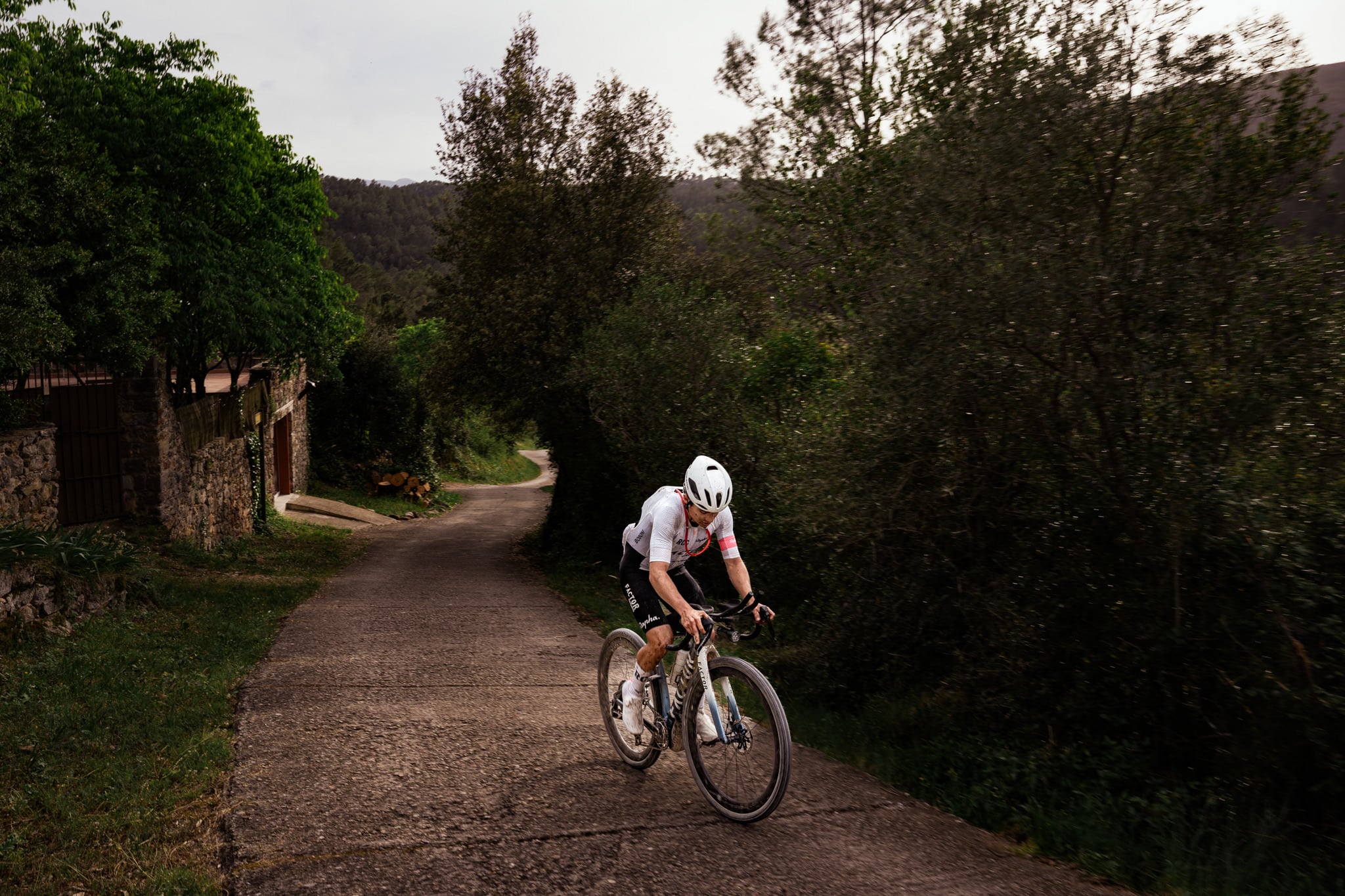
Lab figures are the starting point. What most wax adopters actually notice, over weeks and months, is a different set of outcomes.
Chain elongation slows down. Because wax repels abrasive contaminants, the grinding paste that forms inside an oiled roller simply does not appear to the same degree. Chains measured at the same mileage tend to show less elongation on wax, which extends the service window before a new chain is required.
The drivetrain stays clean. A chainring, a cassette and a cage running on wax stay readable, not black. That cleanliness is not cosmetic, it is the visible sign that abrasive material is no longer bonded to the drivetrain surfaces.
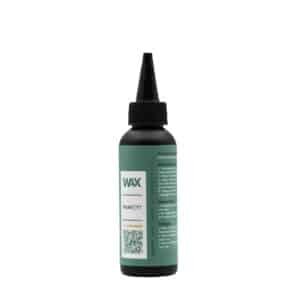
Re-application is predictable. Road Wax in drip format needs renewal around every 300 km in dry conditions, and the Offroad Wax follows the same range on gravel surfaces. Hot Wax, applied by full immersion, lasts around 600 km in mixed use, stretches to 1000 km in wet or muddy conditions where the thicker film protects the rollers better, and can last meaningfully longer on a dry-only rider profile. Riders can plan wax cycles against their training schedule rather than reacting to chain noise.
Weather behaviour is counter-intuitive. A full immersion hot wax often outperforms drip formats in heavy rain, because the film is thicker and more hydrophobic. Drip waxes remain more sensitive to prolonged wet rides. For riders doing serious winter kilometres on salted roads, keeping a dedicated wet oil for the worst weeks and returning to wax once the salt is gone remains a reasonable compromise.
Who Should Switch to Wax?
Not every rider needs to move away from oil. The switch makes most sense in four concrete profiles.
Performance-focused road riders. A 3W reduction at 250W, stacked with other CyclingCeramic drivetrain components, is the kind of aggregate gain that pushes a structured training plan into a meaningfully faster race pace without any change in fitness.
Triathletes and time trial riders. In a discipline where every watt-minute is measured, switching to wax is one of the cleanest ways to free up friction without compromising on bike handling, aero position, or the UCI-legal material list. It plays naturally with the CyclingCeramic aero cage and Race Chain stack.
High-mileage riders sensitive to maintenance cost. Chain wear is expensive when it forces cassette and chainring replacement early. A waxed setup that doubles the interval between chain replacements pays back the wax investment quickly, regardless of any watt consideration.
Gravel riders who care about the drivetrain. Gravel chains wear roughly twice as fast as road chains when lubrication protection is inadequate. Wax does not eliminate that, but it sharply reduces the abrasive paste effect that drives most premature wear in dusty conditions. The Race Chain is specified for all drivetrain types, and pairs naturally with either wax option.
The Shortcut: CyclingCeramic Pre-Waxed Race Chain
The most common reason riders stay on oil is not performance conviction, it is the setup effort required to start waxing properly. A complete degreasing process, the first wax bath, the drying time, all of it has to happen before the first ride.
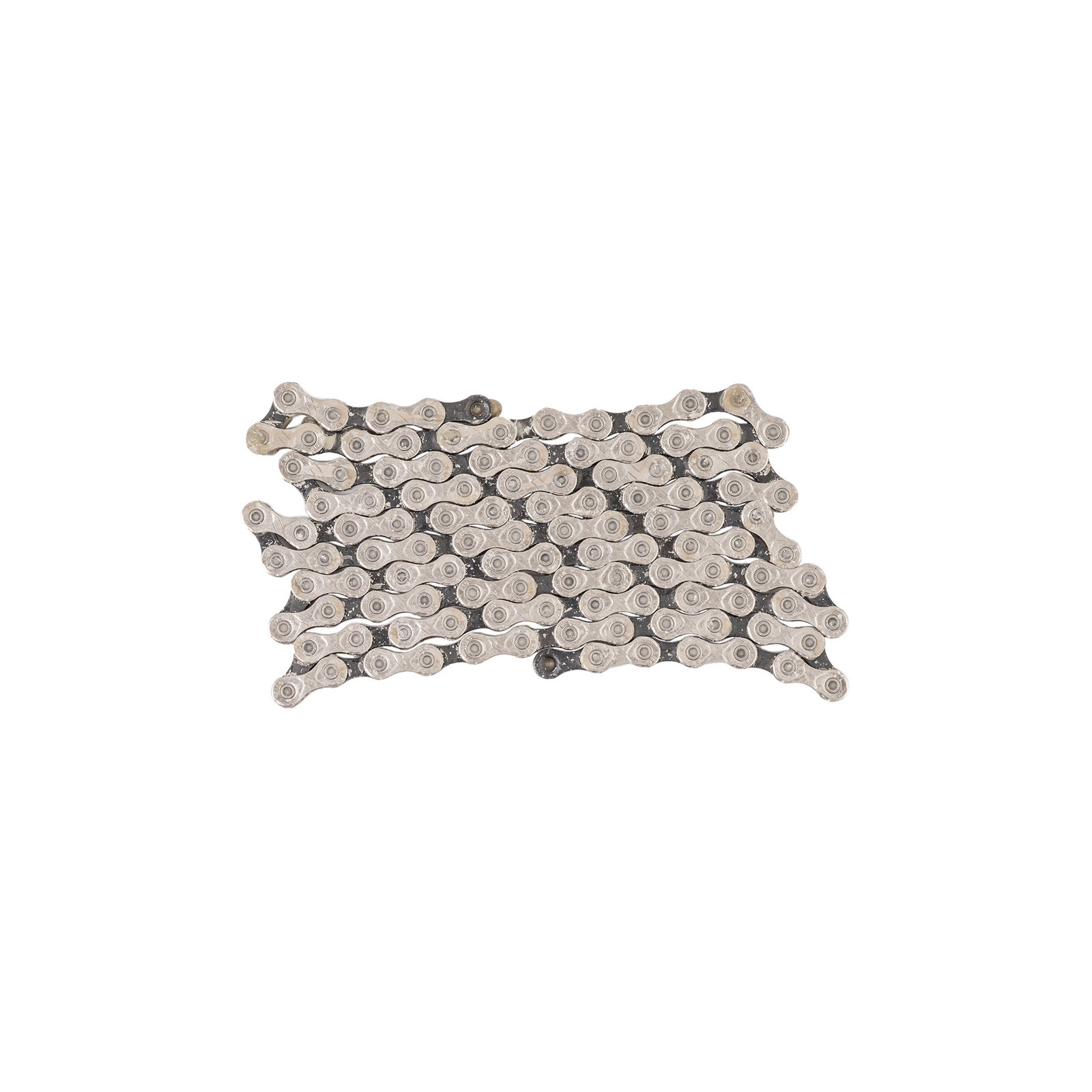
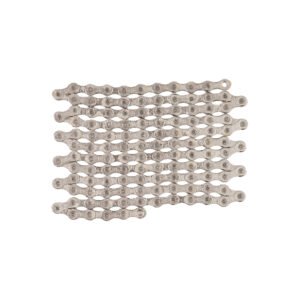
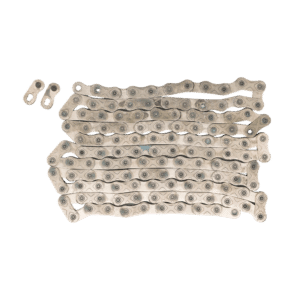
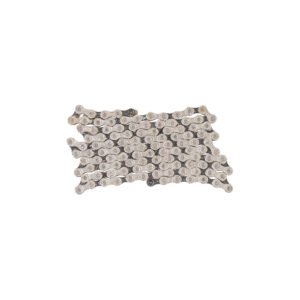
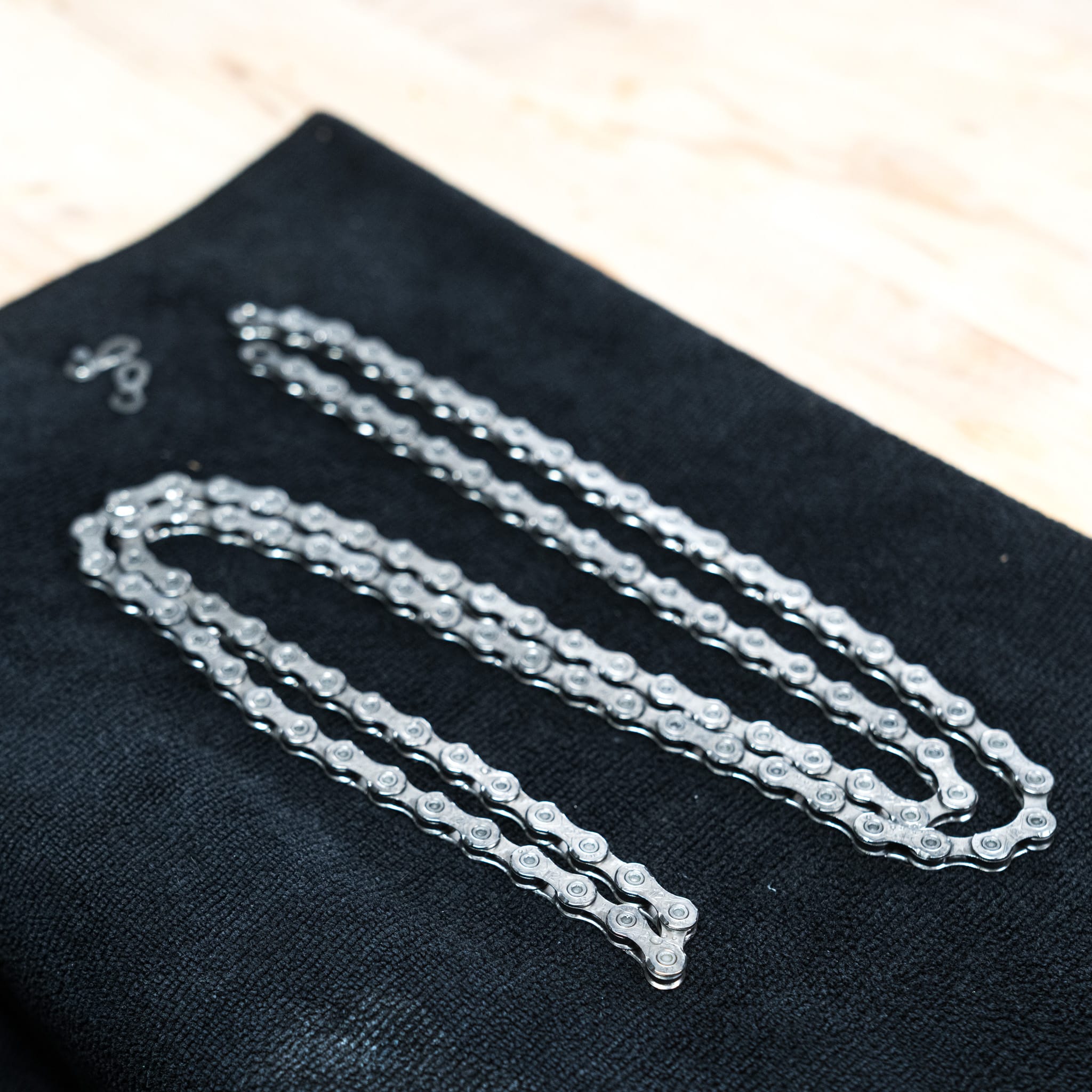
The CyclingCeramic Race Chain is designed to remove that barrier. It is delivered pre-waxed, ready to install and ride. Riders who want to enter the wax ecosystem without the first-time setup can start with the Race Chain and add a Road Wax, Offroad Wax or Hot Wax later, as the re-application cycles arrive. A practical note on compatibility, 11-speed and 12-speed chains are not interchangeable across manufacturers, so the Race Chain must be ordered in the speed matching the existing cassette.
Frequently Asked Questions
Is waxing a bike chain actually worth the effort?
For any rider who cares about drivetrain friction, cleanliness and chain longevity, yes. Internal CyclingCeramic testing at 250W, 95 RPM, 70 kg load measured a waxed Race Chain at 3.6W versus 6.5W for a standard Shimano chain on standard oil, a 3W reduction on a brand-new chain. Outside the lab, wax keeps the drivetrain cleaner, which translates to longer chain life and less rework. The real question is whether you want to manage the up-front setup or buy a chain that arrives already waxed.
How long does a waxed chain last before re-application?
CyclingCeramic Road Wax in drip format lasts around 300 km before re-application in dry conditions, and the Offroad Wax follows the same range. Hot Wax, applied by full immersion, lasts around 600 km in normal use, up to 1000 km in wet or muddy conditions where the thicker film protects better, and significantly more on a dry-only rider profile. These are guidelines tied to real riding conditions, not marketing claims.
Can I switch from oil to wax on my existing chain?
Yes, but only after a full degreasing process. Wax will not bond to a chain that still holds oil residue, and any leftover grease traps the abrasive grit that wax is designed to repel. Plan a thorough solvent clean, then dry the chain completely before the first wax application. Riders who want to skip this step entirely can start directly with the CyclingCeramic Race Chain, which is delivered pre-waxed out of the box.
Does wax work in wet or wintery conditions?
A full-immersion Hot Wax performs surprisingly well in wet or muddy conditions and often lasts longer than in the dry, because the thicker film shields the rollers from water ingress. Drip waxes are more vulnerable to rain and may need to be reapplied more often during extended wet rides. For heavy winter riding with salt on the roads, most wax users keep a wet-oriented routine as a backup option and return to wax once conditions improve.
Is the CyclingCeramic Race Chain pre-waxed?
Yes. The Race Chain ships pre-waxed out of the box with no additional application required before the first ride. It is compatible with all modern road and triathlon drivetrains and is also used by gravel riders looking to slow down chain wear. Note that 11-speed and 12-speed chains are not interchangeable, so the Race Chain must match the speed of the cassette it is paired with.
Bottom Line
On a clean chain in perfect lab conditions, wax and a quality oil live within roughly a watt of each other. In real riding, with dust, water and mileage, the gap widens to three watts or more, and the drivetrain stays cleaner while the chain wears more slowly. That is the case for switching, and it is why performance-minded riders move to wax and rarely go back.
For the riders who want the performance benefit without the first-time setup, the shortest path is the pre-waxed CyclingCeramic Race Chain, paired later with Road Wax, Offroad Wax or Hot Wax as the re-application cycles arrive. Both paths are backed by our 4-year warranty across the drivetrain components that share the same chain, so the decision is reversible on the product side and final on the maintenance side.
Products mentioned in this article