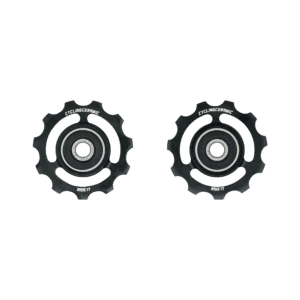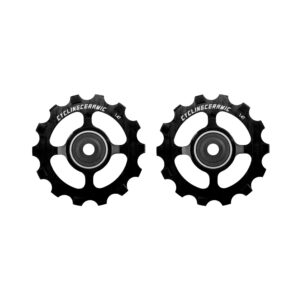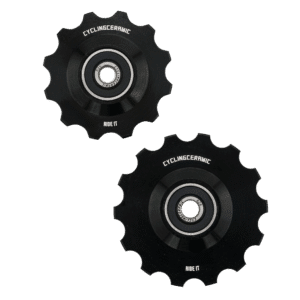
The Friction Facts laboratory, the most respected independent bearing tester in cycling before its acquisition by CeramicSpeed, recorded CyclingCeramic 11T pulleys at 0.039W of friction per pair versus 1.175W for the standard Shimano stock unit. That is a 97% reduction, and across 19 different pulley models on the market, CyclingCeramic averaged a 72% reduction in friction.
So why does the cycling community remain divided on whether ceramic pulley wheels are worth it? Because the answer depends entirely on three things: who you are riding for, what quality of ceramic pulleys you actually buy, and what you already understand about the difference between stock plastic pulleys, machined aluminum aftermarket pulleys, and premium ceramic systems.
This guide goes through the material differences, the independent lab data, the shifting quality factor that watt figures alone do not capture, and the legitimate criticisms that should temper any upgrade decision. By the end, you will have a clear, honest picture of whether ceramic pulley wheels make sense for your riding.
What Makes a Ceramic Pulley Wheel Different from Aluminum?
The term “ceramic pulley wheels” is used loosely across the cycling industry, which is part of the confusion. Three product categories share the same shelf, and only one delivers the performance that lab data promises.
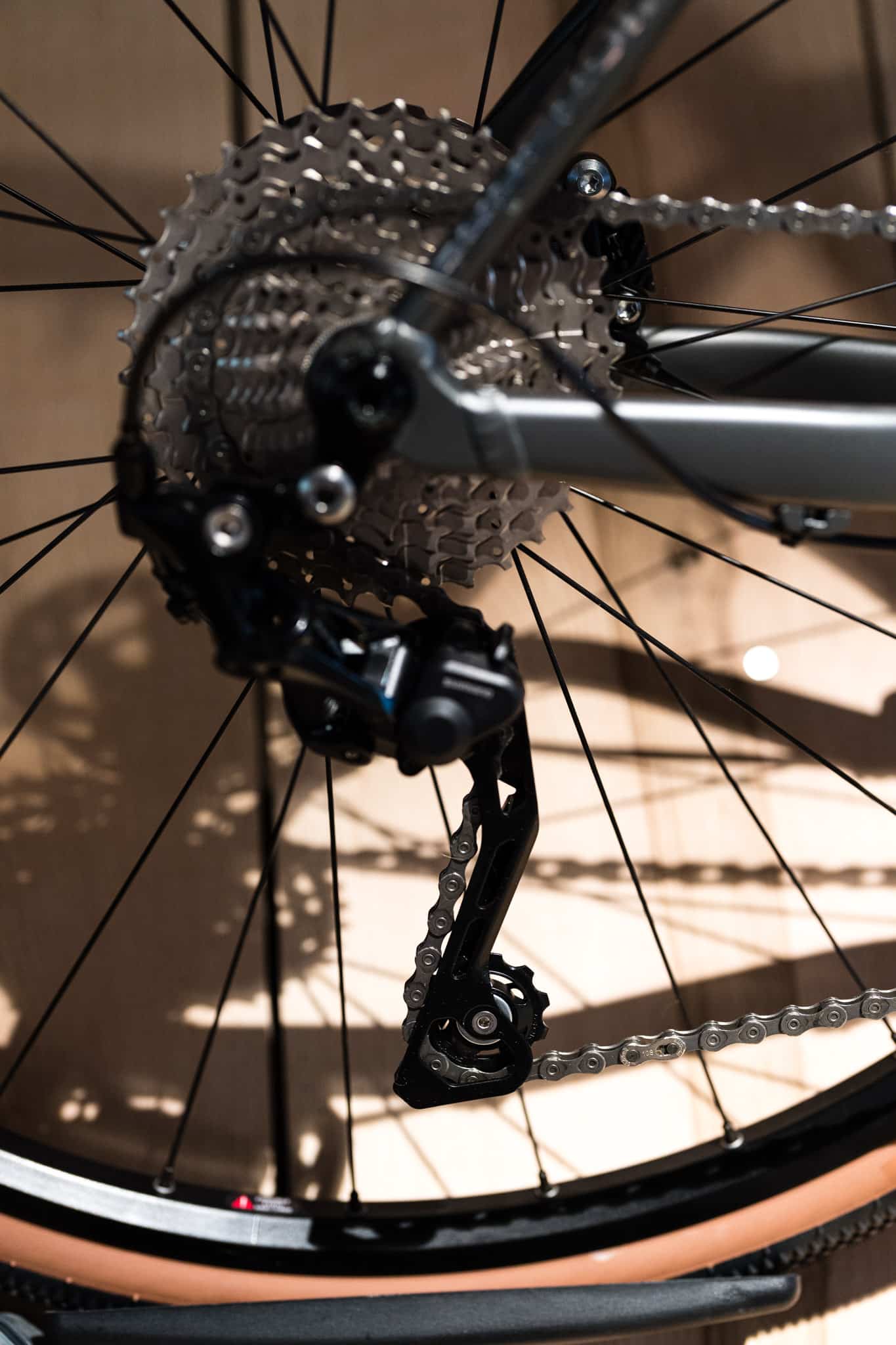
Stock OEM pulleys are what your bike ships with from Shimano, SRAM, or Campagnolo. The body is injection-molded plastic or basic aluminum. The bearing is typically a sleeve bushing or a low-cost sealed steel ball bearing. Stock pulleys are designed to be cheap to manufacture and reliable for typical use, not to minimize friction.
Aftermarket aluminum pulleys use a machined alloy body in place of injected plastic. The aluminum teeth are stiffer, more dimensionally stable, and longer-lasting. The bearing is usually a basic steel ball bearing, sometimes upgraded to a sealed cartridge. Shifting feel improves, but the bearing friction is largely unchanged.
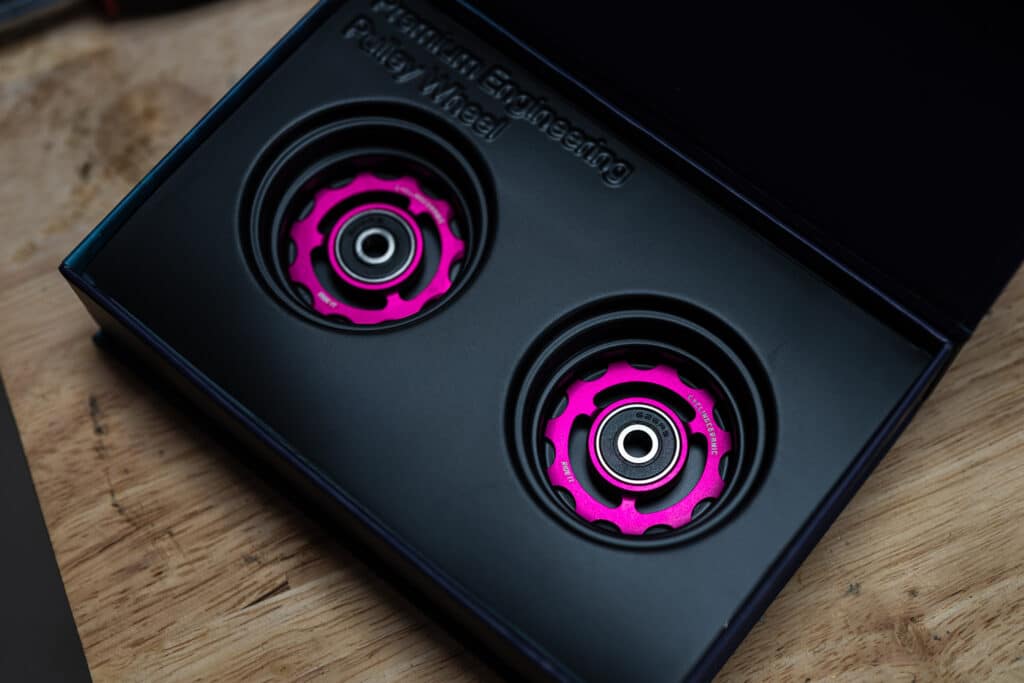
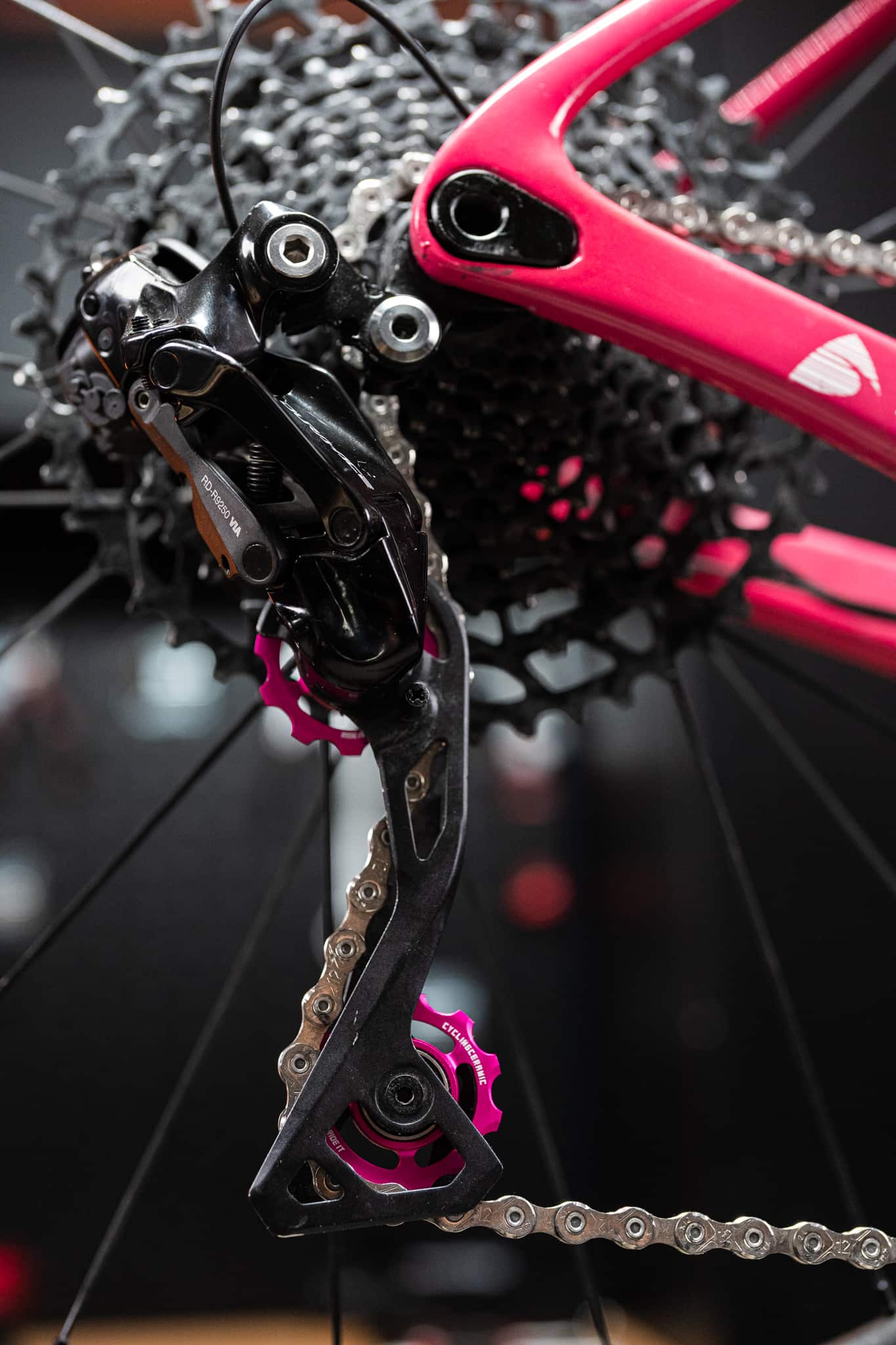
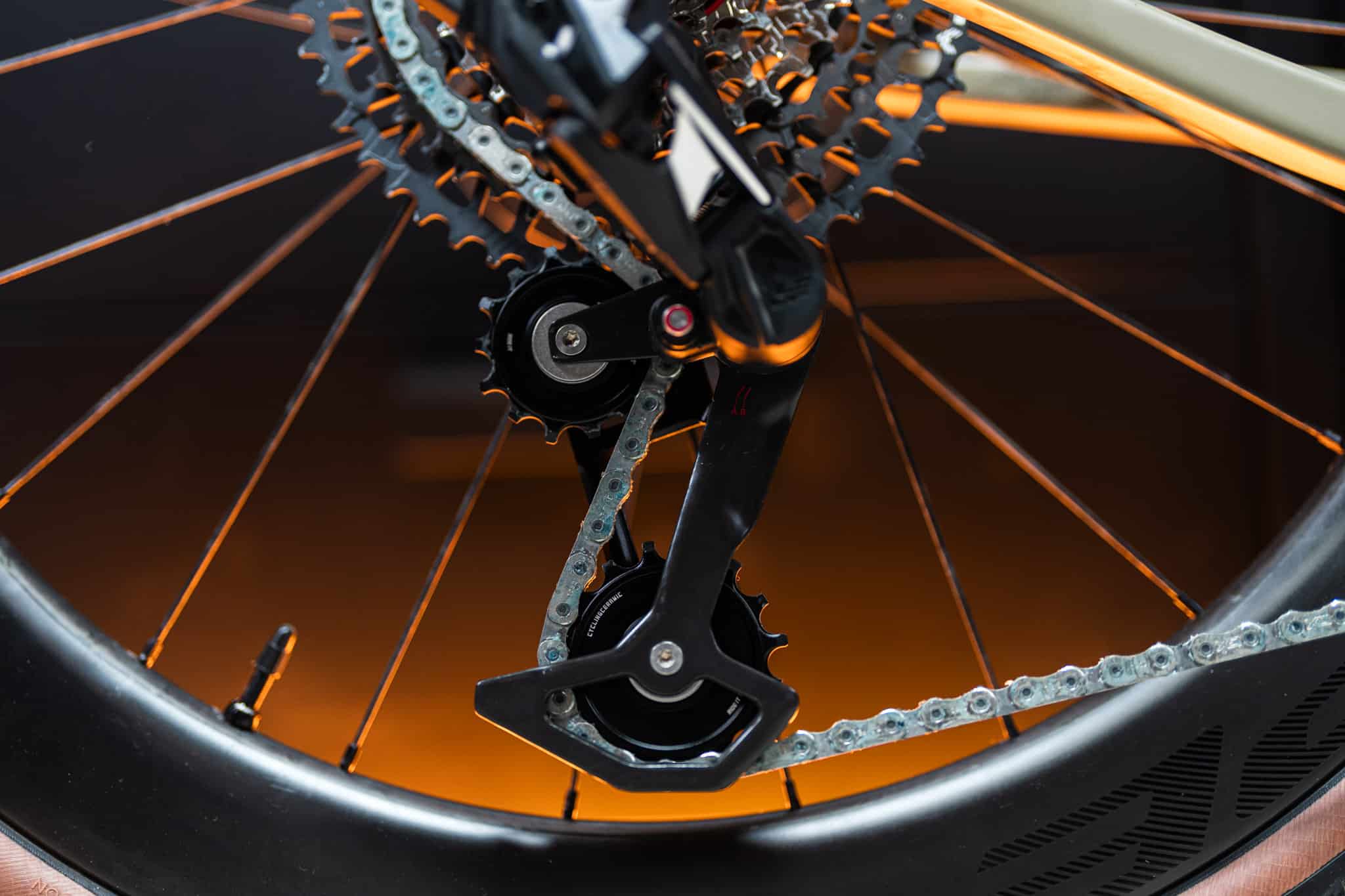
Premium ceramic pulley wheels combine a precision-machined aluminum body with a hybrid ceramic bearing: silicon nitride (Si3N4) balls running in hardened steel races. CyclingCeramic uses exclusively Grade 3 Si3N4 balls, the finest available grade, paired with races hardened to Rc 62+. The seals are low-drag and the lubricant is purpose-formulated, not generic grease. This is the configuration that produces the 97% friction reduction Friction Facts measured.
The market also sells “ceramic” pulleys with Grade 10 or Grade 25 balls in soft races and stock-quality seals. These deliver almost none of the friction benefit, and they are the products that fuel the legitimate scepticism about ceramic pulleys in cycling forums.
Material Properties: Aluminum Bodies, Plastic Stock, and the Bearings Inside
To understand where the performance comes from, look at the two components that define a pulley wheel: the body material and the bearing inside it.
| Component | Stock OEM Pulley | Aftermarket Aluminum | Premium Ceramic (CC) |
|---|---|---|---|
| Body material | Injected plastic | Machined aluminum | Machined aluminum (CNC) |
| Tooth profile precision | Molded, average tolerance | Tight tolerance | Tight tolerance |
| Bearing type | Sleeve bushing or basic steel | Sealed steel ball | Grade 3 Si3N4 hybrid |
| Race hardness | Standard | Standard to Rc 58 | Hardened to Rc 62+ |
| Seal design | Contact, high drag | Contact, medium drag | Low-drag, optimized |
| Lubricant | Generic grease | Generic grease | Purpose-formulated |
| Tooth wear resistance | Lower (plastic) | High | High |
| Warranty | 1 year typical | 1 to 2 years | 4 years |
The bearing inside the pulley accounts for most of the friction difference, but the body material drives shifting feel and longevity. A premium product needs both. Cheap “ceramic” pulleys with plastic-like bodies or unhardened races compromise on the wrong axis and underdeliver in both dimensions.
It is worth noting that Friction Facts categorized derailleur pulleys into three bearing technologies during their 2016 industry survey: sleeve bushings (averaging 0.577W per pulley), basic steel ball bearings (0.069W), and ceramic ball bearings (0.056W). The headline 97% reduction CyclingCeramic delivers over Shimano Dura-Ace stock reflects not just the ball material but the entire bearing assembly working as a system.
Lab Test Results: The Friction Facts 11T Comparison
In 2016, CyclingCeramic submitted its 11T pulleys to the Friction Facts laboratory in Colorado for independent testing. The protocol applied a 250W input load at 95 RPM cadence with a Shimano Dura-Ace chain, the same test rig used to evaluate every major pulley brand on the market at the time. The tests were conducted before CeramicSpeed acquired the laboratory later that year.
| Pulley Pair | Friction (per pair) | Reduction |
|---|---|---|
| Shimano Dura-Ace stock 11T | 1.175W | Baseline |
| Market average (19 models tested) | ~0.14W | 88% vs stock |
| CyclingCeramic 11T | 0.039W | 97% vs stock |
The pulley result placed CyclingCeramic among the fastest derailleur pulleys ever tested by Friction Facts. Across the 19 pulley models in the comparison, including products from Shimano, SRAM, Campagnolo, and aftermarket specialists, CyclingCeramic reduced friction by an average of 72%. No other manufacturer reached the 0.04W threshold per pair in that test.
This data is the foundation of the 97% headline figure. The complete test methodology and original results are published on our Test & Data page for verification.
Shifting Quality, Noise, and Real-World Feel
Watts alone do not capture the full upgrade experience. Riders who fit CyclingCeramic pulley wheels consistently report three perceptible changes that have nothing to do with the wattmeter.
Shifting becomes more fluid, faster, and more precise. The machined aluminum body holds its tooth geometry under load far better than injected plastic, which flexes under chain tension. Combined with the tight tolerances of the bearing assembly, every gear change engages cleaner and with less hesitation. This is one of the differences professional mechanics notice immediately on first ride.
There is a slight increase in mechanical noise during break-in. Aluminum transmits more sound than the natural dampening of plastic pulleys, and the new bearings carry a marginally higher acoustic signature for the first 100 to 200 kilometers. After that initial period, the noise level drops as the bearings settle and the chain fully seats on the new teeth. Most riders find that the post-break-in noise is similar to or lower than stock, while the improved shifting feel remains.
Tooth wear is equivalent or lower than stock. A common concern is that harder pulley materials accelerate chain wear or wear themselves out faster. Field experience and material data show the opposite: aluminum teeth resist plastic deformation, hold their profile longer under repeated chain loading, and produce wear patterns comparable to or better than injected plastic pulleys. Combined with a clean, properly waxed chain, premium aluminum pulleys often outlast multiple chain replacements.
For riders who care about how their drivetrain feels, not just what the power meter reads, this combination of fluidity, precision, and longevity is often the most tangible part of the upgrade.
What the Critics Get Right, and Where They Are Wrong
Cycling forums and editorial reviews include legitimate scepticism about ceramic pulley wheels. Some of it is well founded. Some of it conflates very different products. Honest analysis requires separating the two.
“The watt savings are marginal at recreational power.” This is true. At 150 to 200W of recreational riding output, a 1 to 2W reduction in drivetrain friction is below the threshold most riders can perceive in their legs. At competitive power, on a long time trial or a triathlon bike leg, that same 1 to 2W compounds across hours and can translate to 40 to 60 seconds saved per hour at 40 km/h. The upgrade is meaningful for competitive cyclists. It is genuinely marginal for casual riders.
“Ceramic bearings get gritty and have worse seals.” This criticism applies almost exclusively to budget products. Low-grade ceramic bearings with Grade 10 or Grade 25 balls, unhardened races, and stock seals do degrade quickly under road conditions. Premium ceramic bearings with Grade 3 Si3N4 balls, hardened Rc 62+ races, and low-drag seals are not the same product. The Si3N4 ball material is corrosion immune, dimensionally stable, and harder than steel by a factor of two. With proper installation and minimal maintenance, these bearings outlast their steel equivalents by 3 to 10 times, which is why we back them with a 4-year warranty.
“Oversized pulley systems are overpriced for the watts saved.” Some oversized systems on the market are priced at 400 to 1000 euros for marginal additional gains over premium standard pulleys. CyclingCeramic offers oversized derailleur cages separately, allowing riders to upgrade pulleys first (the largest individual friction reduction) and add an oversized cage later if the additional 0.3 to 0.5W of friction savings justifies the cost in their context. This unbundled approach gives a clearer view of where the watts actually come from.
Who Should Upgrade Their Pulley Wheels?
Premium ceramic pulley wheels make the most sense for specific rider profiles. They are not a universal recommendation.
Competitive road cyclists and time trialists. If you have already optimized tire pressure, position, and aero equipment, the drivetrain is the next layer of marginal gains. Pulley wheels are the highest watts-per-euro upgrade in the ceramic family, which is why most professional teams running ceramic systems start there.
Triathletes. Long bike legs at sustained 40 km/h amplify every watt of drivetrain efficiency. A 90 km or 180 km Ironman bike split compounds the 1 to 2W saving across hours, with measurable impact on finish time.
All-weather and gravel riders. Silicon nitride bearings are corrosion immune and dimensionally stable across temperature ranges that degrade steel bearings. For riders who train through winter or who race gravel in mixed conditions, the durability advantage often matters more than the friction advantage.
Marginal-gains enthusiasts. If you have already invested in a quality frame, wheels, and aero kit, the drivetrain is the next logical upgrade. Pulley wheels deliver the largest individual friction reduction in the drivetrain, and they stack with the bottom bracket and wheel bearing kits for a system-level 10W advantage.
For everyone else, the watt savings are real but small. Spend on tires, position, and fit first. Then come back to the drivetrain.
Frequently Asked Questions
Are ceramic pulley wheels worth it?
For competitive cyclists, triathletes, and riders chasing marginal gains, premium ceramic pulley wheels are one of the highest watts-per-euro upgrades available. Friction Facts laboratory data shows CyclingCeramic 11T pulleys reduce friction by 97% versus standard Shimano Dura-Ace pulleys (0.039W vs 1.175W). For casual recreational riders, the gains are real but small relative to other improvements like tires, position, and fit. Quality matters: budget ceramic pulleys with Grade 10 balls and poor seals rarely deliver measurable benefit.
How many watts do ceramic pulley wheels save?
Independent Friction Facts testing measured a 1.14W reduction per pulley pair when comparing CyclingCeramic 11T pulleys against standard Shimano Dura-Ace stock pulleys at 250W input and 95 RPM cadence. Across 19 different pulley models on the market from Shimano, SRAM, and Campagnolo, CyclingCeramic averaged a 72% friction reduction. Combined with other ceramic drivetrain components, total system savings reach approximately 10W, which is the equivalent of removing over 3 kg from the bike in performance impact terms.
Do ceramic pulley wheels improve shifting?
Yes. The combination of a machined aluminum body, precision Grade 3 bearings, and tighter tolerances produces shifting that is noticeably more fluid, faster, and more precise than stock plastic pulleys with sleeve bushings or basic steel bearings. The aluminum body resists deformation under chain load, which keeps tooth engagement consistent across all gears. Most riders report the difference is more perceptible during shifting than in raw watts on the legs.
Are ceramic pulley wheels louder than stock plastic pulleys?
Slightly, during the first kilometers of use. Aluminum bodies and ceramic bearings produce a marginally higher mechanical signature than the dampening of stock plastic pulleys. As the bearings break in and the chain seats fully on the new teeth, this initial noise diminishes progressively. After 100 to 200 kilometers of riding, the noise level is comparable to or below stock, while the shifting feel remains improved.
How long do ceramic pulley wheels last compared to aluminum stock pulleys?
Properly engineered ceramic pulley wheels with machined aluminum bodies typically outlast stock injected plastic pulleys by 3 to 10 times. The aluminum teeth resist wear better than plastic, especially with a clean chain. The Grade 3 Si3N4 ceramic balls are dimensionally stable, corrosion immune, and harder than steel, which extends bearing life under road and gravel conditions. CyclingCeramic backs its pulley wheels with a 4-year warranty, well above the 1-year industry standard for stock components.
Conclusion
The honest answer to “are ceramic pulley wheels worth it” is that it depends on who you are riding for and which ceramic pulleys you actually buy. The lab data is unambiguous: CyclingCeramic 11T pulleys measured 0.039W of friction versus 1.175W for stock Shimano Dura-Ace, a 97% reduction independently verified by Friction Facts. That is the largest individual component reduction in the drivetrain, and it stacks with the bottom bracket and wheel bearings toward a system-level 10W advantage.
For competitive cyclists, triathletes, and all-weather riders, this is one of the highest-return upgrades available. For casual recreational riders, the watts are real but small relative to easier gains. For anyone, the quality of the ceramic product matters more than the label: Grade 3 Si3N4, hardened Rc 62+ races, low-drag seals, and a multi-year warranty are the markers that separate measurable upgrades from marketing.
If you decide to upgrade, start with the pulleys. They deliver the largest single friction reduction in the drivetrain, install in minutes, and their effect on shifting feel is immediately perceptible. The full ceramic pulley wheel range covers Shimano, SRAM, and Campagnolo from 10s to 12s. When you are ready for the next step, the bottom bracket is the natural follow-up.
Products mentioned in this article